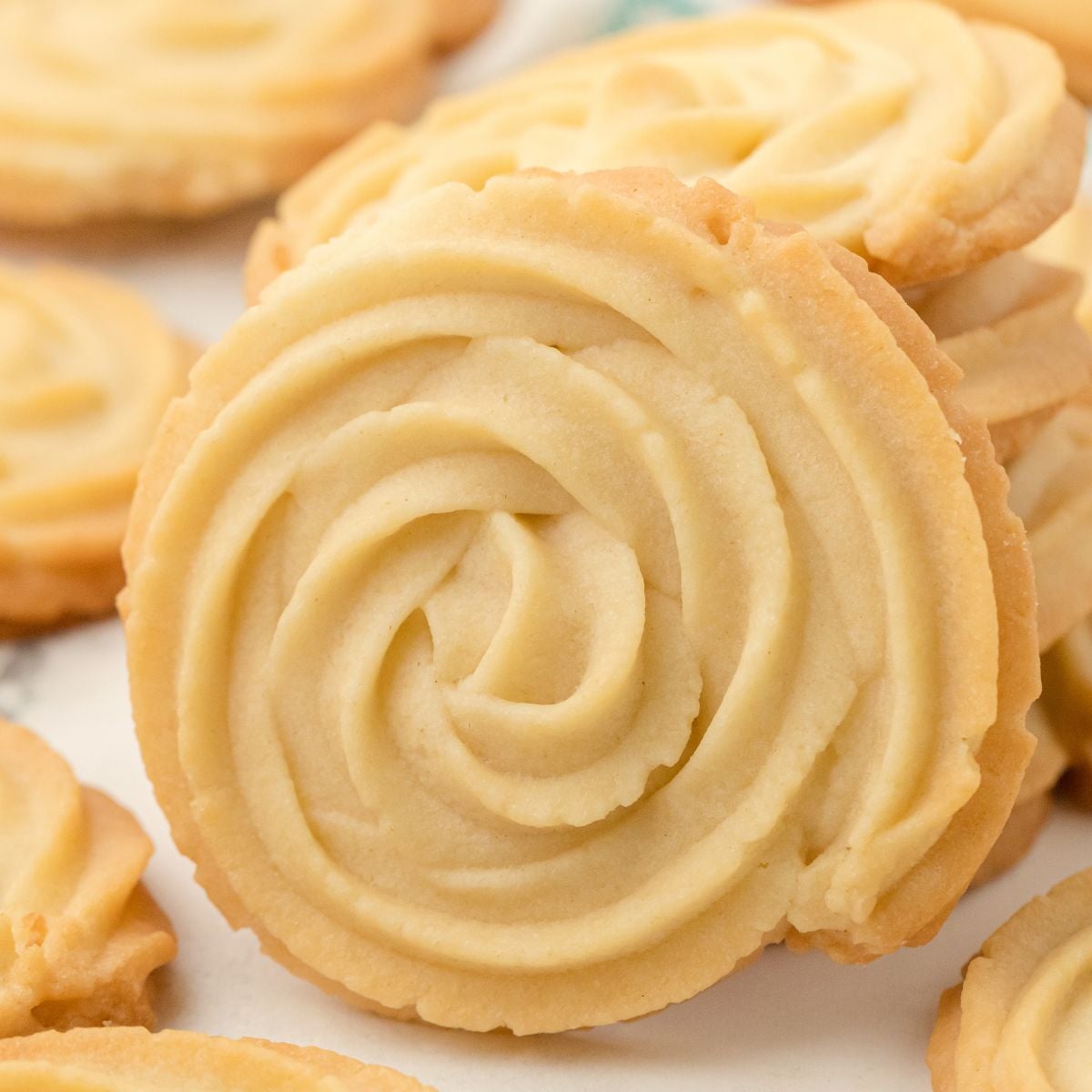
There are few baking experiences as universally comforting and satisfying as creating a batch of homemade cookies. But what if you could achieve an impossibly tender, rich, and utterly melt-in-your-mouth texture with just three simple ingredients? Enter the phenomenon of the melt-in-your-mouth butter cookies. These delightful treats redefine easy baking, delivering a classic shortbread-style indulgence that's perfect for any occasion, from an elegant tea party to a cozy weeknight treat.
Imagine butter cookies so delicate they practically dissolve on your tongue, leaving behind a subtle sweetness and a profound buttery flavor. This isn't just a dream; it's the reality of these easy-to-make gems. Whether you’re a seasoned baker or a complete novice, this recipe is a game-changer, proving that extraordinary flavor doesn't require an extensive ingredient list or complex techniques.
The Magic Behind "Melt-in-Your-Mouth" Butter Cookies
So, what exactly are these magical butter cookies? At their core, they are a minimalist masterpiece, leveraging the power of high-quality butter, finely milled sugar, and all-purpose flour. Unlike many cookie recipes that rely on eggs for binding or leavening agents for puffiness, these cookies celebrate a dense, tender crumb. This simplicity is precisely what gives them their signature "melt-in-your-mouth" quality. They evoke the nostalgic charm of classic shortbread but often possess an even more ethereal delicacy.
The secret lies in the harmonious balance of fat to flour, and the specific type of sugar used. Powdered sugar, also known as confectioners' sugar, is key to achieving that smooth, non-gritty texture that contributes so much to the cookies' ability to disappear on your palate. When baked, the high butter content ensures a rich flavor and a structure that is crumbly yet firm enough to hold its shape, making them incredibly versatile for shaping and decorating.
These aren't just cookies; they're an experience. They're the kind of treat that brings a smile to everyone's face, whether it's your little ones helping to stir the dough or your partner reaching for a third cookie, despite usually preferring chocolate. Their simple elegance makes them a perfect canvas for customization, allowing you to easily adapt them for different holidays, moods, or cravings.
Just Three Ingredients? Unpacking the Essentials
The beauty of this easy butter cookie recipe truly begins with its incredibly short ingredient list. Each component plays a vital, non-negotiable role in creating the perfect texture and flavor. Understanding the function of each will help you achieve consistent, delightful results every time.
Unsalted Butter: The Star of the Show
- Why unsalted? Using unsalted butter gives you complete control over the salt content in your cookies. While some recipes call for a pinch of salt to enhance flavor, starting with unsalted butter allows you to add it precisely to your preference.
- Room temperature is crucial: This cannot be stressed enough. Softened, room-temperature butter creams beautifully with the powdered sugar, incorporating air and creating a light, fluffy base. This aeration is fundamental to the cookies' delicate texture. If your butter is too cold, it won't cream properly; if it's too warm (melting), it can lead to greasy, spreading cookies. Aim for butter that yields slightly when pressed, but isn't oily.
- Quality matters: Since butter is such a prominent flavor, investing in good quality butter will significantly elevate your cookies.
Powdered Sugar (Confectioners' Sugar): The Smooth Operator
- Texture champion: Unlike granulated sugar, which can leave a slightly gritty texture, powdered sugar dissolves seamlessly into the dough. Its fine consistency contributes directly to the silky smooth, melt-in-your-mouth feel of these cookies.
- Sweetness and structure: Powdered sugar provides a gentle sweetness that complements the rich butter without overpowering it. It also helps stabilize the dough, preventing excessive spreading.
All-Purpose Flour: The Structural Foundation
- The binder: All-purpose flour provides the necessary structure to hold the cookies together. It's important to measure flour accurately (preferably by weight) to avoid dry, crumbly dough or dense, hard cookies.
- No leavening needed: You won't find baking powder or baking soda in this recipe, and that's intentional. These butter cookies are designed to be tender and dense, not light and airy. The absence of leavening contributes to their rich, shortbread-like quality.
Crafting Your Perfect Batch: An Easy, Step-by-Step Guide
Making these 3-ingredient butter cookies is incredibly straightforward, but a few key techniques will ensure your success. Remember, patience and proper execution of each step are more important than complex procedures.
Step 1: Creaming Butter and Sugar to Perfection
In a large mixing bowl, combine your softened unsalted butter and powdered sugar. Using an electric mixer (handheld or stand mixer), beat them together on medium speed. This initial step is critical. You want to beat the mixture until it's light, fluffy, and noticeably pale in color. This process typically takes about 3-5 minutes, depending on your mixer and butter temperature. Take your time here; properly aerated butter and sugar lead to a truly tender cookie. Be sure to scrape down the sides of the bowl periodically to ensure everything is evenly incorporated.
Step 2: Gently Folding in the Flour
Once your butter and sugar are perfectly creamed, gradually add the all-purpose flour. It's best to do this in two or three additions, mixing on low speed until just combined after each addition. The goal is to incorporate the flour without overmixing. Overmixing can develop the gluten in the flour, leading to tougher cookies. Stop mixing as soon as no dry streaks of flour remain. At this point, the dough might appear crumbly or dry, which is perfectly normal for a shortbread-style dough.
Step 3: Bringing the Dough Together & Shaping
If your dough seems too crumbly to work with, don't despair! This is a common characteristic of high-butter, low-liquid doughs. Gently knead the dough with your hands inside the bowl for a minute or two. The warmth from your hands will help the butter soften slightly, allowing the dough to come together into a cohesive mass. Once it forms a soft, pliable dough, you can proceed with shaping. Common methods include:
- Piping: Use a pastry bag fitted with a star tip for elegant swirls and rosettes. This method is fantastic for a classic bakery look.
- Rolling and Cutting: Roll the dough between two sheets of parchment paper to your desired thickness (about 1/4 to 1/2 inch) and use cookie cutters for various shapes.
- Scooping: For the simplest approach, scoop small mounds onto your baking sheet and flatten them slightly with a fork or the bottom of a glass.
Place your shaped cookies on a baking sheet lined with parchment paper.
Step 4: Baking to Golden Perfection
Preheat your oven to the recommended temperature (typically around 350°F / 175°C). Bake the butter cookies for 10-15 minutes, or until the edges are just lightly golden. The key is not to overbake them; they should still appear pale in the center. Overbaking will result in a dry, crunchy cookie rather than the desired melt-in-your-mouth tenderness. Let them cool on the baking sheet for a few minutes to set before transferring them to a wire rack to cool completely. This cooling process is crucial for them to firm up without becoming brittle.
Troubleshooting Common Butter Cookie Challenges
- Dough Too Crumbly? As mentioned, this is common. Keep mixing, or gently knead with your hands. The fat from the butter needs a moment to fully bind the flour. Patience is key!
- Cookies Spreading Too Much? This often happens if your butter was too warm, or if your kitchen is very warm. Try chilling the shaped cookie dough for 15-30 minutes in the refrigerator before baking. This helps solidify the butter and prevents excessive spreading.
- Cookies Too Hard/Dry? This is usually a sign of too much flour (measure accurately!) or overmixing the dough once the flour is added. It can also be a result of overbaking. Keep an eye on your oven and remove them as soon as the edges turn light gold.
Elevate Your Butter Cookies: Creative Variations & Serving Suggestions
While the classic 3-ingredient butter cookies are sublime on their own, their simple profile makes them incredibly adaptable. Here are some ideas to customize and serve these delightful treats:
Creative Variations
- A Touch of Vanilla: Add ½ to 1 teaspoon of good quality vanilla extract to the creamed butter and sugar. Vanilla enhances the buttery notes beautifully.
- Zesty Citrus: Incorporate ½ to 1 teaspoon of finely grated lemon or orange zest for a bright, fragrant twist.
- Nutty Nuance: A few drops of almond extract can provide a sophisticated, nutty undertone.
- Chocolate Dipped: Once cooled, dip half of each cookie in melted dark, milk, or white chocolate for an irresistible upgrade. You can then sprinkle with sea salt or chopped nuts.
- Festive Flair: Before baking, adorn with colorful sprinkles or coarse sanding sugar for holidays or celebrations.
- Spice It Up: A pinch of cinnamon, cardamom, or even a tiny amount of nutmeg can add warmth and complexity.
- A Pinch of Salt: Even with unsalted butter, a very small pinch (1/8 teaspoon) of fine sea salt can elevate the overall flavor, making the sweetness and butteriness pop.
When and How to Serve These Delights
These versatile butter cookies are perfect for nearly any occasion:
- Holiday Cookie Trays: A must-have for Christmas, Valentine's Day, or any festive gathering. Their elegant simplicity fits right in.
- Gifting: Pack them into decorative tins for a thoughtful, homemade present. These delicate treats are also perfect for gifting, holding up beautifully in tins – discover more ideas on The Ultimate Melt-in-Your-Mouth Butter Cookies for Gifting.
- Tea Parties & Baby Showers: Their refined appearance and tender texture make them ideal for more formal gatherings.
- Everyday Indulgence: Keep a batch on hand for a quick dessert, a lunchbox treat, or simply a sweet bite with your afternoon coffee, tea, or hot cocoa. They’re fantastic for dunking!
The pure simplicity of melt-in-your-mouth butter cookies makes them a truly timeless recipe. With just three basic ingredients, you unlock a world of tender, buttery goodness that can be enjoyed in countless ways. This isn't just baking; it's creating moments of pure comfort and joy, proving that the most delicious things in life are often the simplest. So go ahead, whip up a batch, and experience the sheer delight of these easy, irresistible cookies. For even more expert advice and to perfect your technique, be sure to read Mastering Melt-in-Your-Mouth Butter Cookies: Tips & Tricks.
