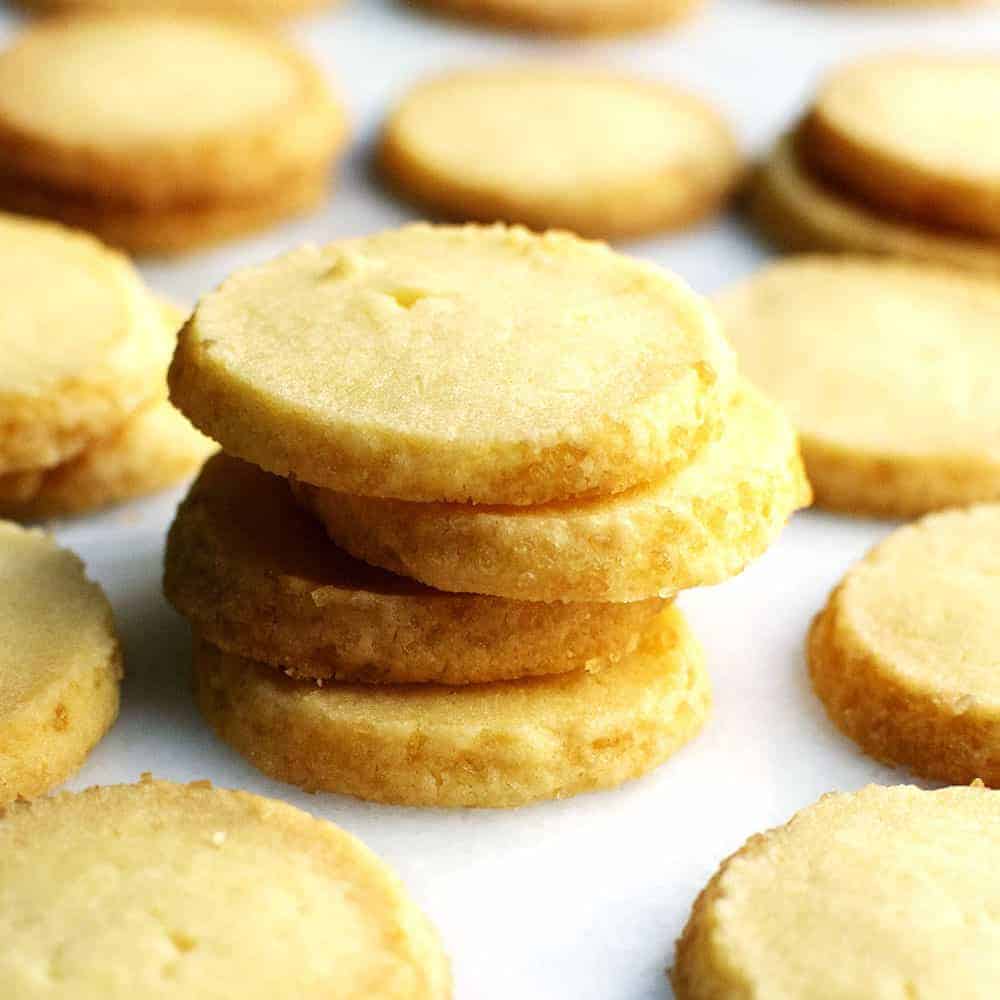
Mastering Melt-in-Your-Mouth Butter Cookies: Tips & Tricks
There are few culinary delights as universally cherished as a perfectly baked butter cookie. Simple in its elegance, yet profound in its flavor, the classic butter cookie offers an irresistible promise: a tender, crumbly bite that quite literally melts in your mouth. Forget complicated ingredient lists or arduous techniques; these shortbread-style gems are the epitome of simple comfort baking, proving that sometimes, the most profound pleasures come from the most straightforward recipes.
Whether you're a seasoned baker or just dipping your toes into the world of homemade treats, mastering melt-in-your-mouth butter cookies is an achievable and incredibly rewarding endeavor. Imagine creating cookies so delicate, so rich, and so satisfying that they disappear almost instantly – often before they've even had a chance to cool completely! This article will guide you through the secrets to achieving that coveted texture and flavor, turning a humble recipe into a show-stopping sensation.
The Allure of Classic Butter Cookies: What Makes Them So Irresistible?
What exactly makes a butter cookie so captivating? It’s more than just the taste; it’s an experience. These cookies embody a unique blend of characteristics that set them apart:
- Unrivaled Texture: The hallmark of a great butter cookie is its melt-away quality. They are delicately crumbly, yet supremely tender, dissolving on the tongue with a gentle sweetness. This texture is often referred to as "shortbread-style," a testament to their rich, buttery foundation.
- Pure, Authentic Flavor: With so few ingredients, the quality of each component shines through. The dominant note is, of course, butter – a rich, creamy, slightly sweet flavor that speaks of comfort and tradition.
- Effortless Elegance: Despite their simple preparation, butter cookies can be incredibly versatile in presentation. They can be piped into intricate swirls, pressed with decorative patterns, or simply rolled and cut into charming shapes, making them perfect for any occasion from casual snacking to elegant tea parties.
- A Canvas for Creativity: While perfect in their unadorned state, butter cookies are also wonderfully customizable, eagerly awaiting a drizzle of chocolate, a sprinkle of zest, or a dash of spice.
These cookies are the definition of a crowd-pleaser. They’re the kind of treat that tempts even those who claim not to be "cookie people" – perhaps due to their straightforward, pure flavor profile that doesn't rely on overpowering sweetness or complex additions. Their simplicity is their strength, offering a timeless appeal that transcends trends.
The Holy Trinity: Unveiling the Simple Ingredients Behind Perfection
The magic of melt-in-your-mouth butter cookies lies in their minimalist ingredient list. You truly need only three staples to create these delightful treats: butter, powdered sugar, and all-purpose flour. This pared-down approach highlights the quality and role of each component, proving that less can indeed be more.
Unsalted Butter: The Heart of the Cookie
Butter is not just an ingredient here; it’s the star. It's responsible for the rich flavor, the delicate texture, and the characteristic "melt-in-your-mouth" feel.
- Room Temperature is Key: This is perhaps the most crucial tip. Softened, room temperature butter (not melted!) creams beautifully with sugar, incorporating air that contributes to the cookies' light and tender crumb. If your butter is too cold, it won't cream properly, leading to a denser cookie. If it's too warm, it can result in greasy, flat cookies.
- Why Unsalted? Using unsalted butter gives you complete control over the salt content in your recipe. Different brands of salted butter can vary significantly in their sodium levels, which can impact the final taste. If you only have salted butter, simply omit any additional salt the recipe might call for (though this basic recipe typically doesn't include added salt).
- Fat Content Matters: The high fat content in butter is what makes these cookies so rich and tender. It inhibits gluten development in the flour, preventing a chewy texture and promoting that desired crumbly, melt-away consistency.
Powdered Sugar: The Secret to Smooth Sweetness
Also known as confectioners' sugar or icing sugar, powdered sugar plays a vital role in achieving the signature texture of these butter cookies.
- Smoothness Personified: Unlike granulated sugar, which can leave a slightly grainy texture, powdered sugar is finely milled with a small amount of cornstarch. This fineness ensures a much smoother dough and a more delicate, uniform texture in the baked cookie, contributing significantly to the "melt-in-your-mouth" experience.
- Enhanced Tender Texture: The cornstarch in powdered sugar also helps tenderize the cookies, preventing them from becoming too crisp or hard. It contributes to their delicate fragility.
All-Purpose Flour: The Structural Foundation
Flour provides the necessary structure, but the goal here isn't a chewy or airy cookie, which is why you won't find leavening agents like baking powder or baking soda in traditional butter cookie recipes.
- Measure Accurately: Too much flour can lead to dry, tough cookies, while too little might cause them to spread excessively. Always spoon and level your flour into a measuring cup for the most accurate results.
- No Leavening Required: The absence of baking powder or soda means these cookies rely solely on the creaming method for any aeration. This results in their characteristic dense yet delicate, non-puffy structure.
- Avoid Overmixing: Once the flour is added, mix only until *just* combined. Overmixing develops gluten, which can make the cookies tough instead of tender.
Crafting Your Perfect Batch: Step-by-Step for Melt-Away Magic
While the ingredients are simple, the technique for combining them is crucial for achieving that perfect butter cookie. Pay attention to these steps, and you'll be rewarded with exquisite results.
Creaming Butter and Sugar to Perfection
This is where the magic begins. The goal is to incorporate air into the butter and sugar mixture, which will contribute to the cookie's light texture.
- Start with Softened Butter: As mentioned, room temperature butter is essential. It should be soft enough to indent with a finger but not greasy or melting.
- Whip Until Light and Fluffy: Using an electric mixer (handheld or stand mixer), cream the softened butter and powdered sugar together on medium speed for at least 3-5 minutes. The mixture should transform from dense and yellowish to pale, light, and visibly fluffy. This process traps tiny air pockets, which expand slightly during baking and create that desirable tender crumb. The fluffier the mixture, the more tender your cookies will be.
Incorporating Flour: The Gentle Touch
Once the butter and sugar are perfectly creamed, it’s time to add the flour. This step requires a light hand.
- Mix on Low Speed: Gradually add the all-purpose flour to the creamed mixture, mixing on the lowest speed of your electric mixer until *just* combined. The dough will look crumbly at first, and that's perfectly normal.
- Don't Be Afraid to Get Hands-On: If the dough seems too crumbly and won't come together after a minute or two of mixing, turn off the mixer and use your hands to gently knead it in the bowl. The warmth of your hands will help the butter bind the crumbs together into a cohesive dough. Avoid excessive kneading, as this will develop gluten and lead to a tougher cookie.
Shaping and Baking for Optimal Results
The final steps before enjoying your homemade masterpieces.
- Shaping Versatility: Butter cookie dough is wonderfully pliable. You can roll it into small balls, flatten them slightly with a fork (for that classic shortbread look), use cookie cutters, or even pipe it through a star tip for elegant swirls. If piping, ensure your dough is soft enough to go through the tip without too much effort.
- The Chill Factor (Optional but Recommended): If your dough feels particularly soft or if your cookies are spreading more than desired, pop the shaped dough onto the baking sheet into the refrigerator for 15-30 minutes before baking. Chilling the dough solidifies the butter, which helps the cookies hold their shape better in the oven.
- Bake Until Just Set: Bake in a preheated oven until the edges are lightly golden and the centers appear set but still pale. Overbaking will lead to a drier, crispier cookie, detracting from the melt-in-your-mouth quality. Allow them to cool slightly on the baking sheet before transferring to a wire rack to cool completely.
Elevating Your Butter Cookies: Creative Variations & Serving Suggestions
While truly delicious on their own, butter cookies are a fantastic canvas for flavor and decorative enhancements. They're also incredibly versatile for various occasions.
Flavorful Twists
Beyond the basic three ingredients, a few additions can completely transform your butter cookies:
- Classic Vanilla: Adding ½ to 1 teaspoon of vanilla extract or vanilla bean paste enhances the buttery flavor with a warm, familiar note. Beat it in after creaming the butter and sugar.
- Bright Citrus: Incorporate 1-2 teaspoons of finely grated lemon, orange, or lime zest into the butter-sugar mixture for a fresh, zesty kick.
- Nutty Nuance: A dash (¼ teaspoon) of almond extract can add a sophisticated, nutty aroma that pairs beautifully with the rich butter.
- Warm Spices: Mix in ½ teaspoon of ground cinnamon, cardamom, or a pinch of nutmeg with the flour for a comforting, spiced variation, especially perfect for the holidays.
Decorative Touches
Make your butter cookies as visually appealing as they are delicious:
- Chocolate Dipped: Once cooled, dip half of each cookie in melted dark, milk, or white chocolate. You can then sprinkle with sea salt, chopped nuts, or more sprinkles before the chocolate sets.
- Festive Sprinkles: Add colored sprinkles directly to the dough before baking, or press them onto the unbaked cookies for a celebratory look.
- Simple Glaze: Whisk together powdered sugar with a tiny bit of milk or lemon juice for a quick, simple glaze to drizzle over cooled cookies.
Perfect Pairings & Occasions
These
Ingredient Melt-in-Your-Mouth Butter Cookies: Easy Recipe are truly adaptable for almost any situation:
- Holiday Platters: A staple on Christmas cookie trays, Valentine's Day treats, or Easter celebrations. Their sturdy nature also makes them ideal for gifting. If you're planning to share your creations, these truly are The Ultimate Melt-in-Your-Mouth Butter Cookies for Gifting.
- Afternoon Tea or Coffee: Their delicate nature makes them a perfect accompaniment to a hot beverage. They're excellent for dunking!
- Gifting: Pack them in decorative tins or boxes. They travel well and are always a welcome present for friends, family, or neighbors.
- Everyday Indulgence: Sometimes, you just need a simple, sweet treat. These are quick enough for weeknight baking and perfect for lunchboxes or an after-dinner bite.
Troubleshooting Common Butter Cookie Challenges
Even with the simplest recipes, challenges can arise. Here's how to tackle common issues when making butter cookies:
Dough Too Crumbly?
This is one of the most frequent observations, especially right after the flour has been mixed in.
- The Fix: Keep Mixing (Gently!): Often, the dough just needs a little more time for the butter to fully incorporate the flour. Continue mixing on low speed, or better yet, stop the mixer and gently knead the dough with your hands for a minute or two. The warmth from your hands will help the butter soften slightly and bring the dough together without overmixing.
- Check Butter Temperature: If your butter was slightly too cold, it might take longer to fully incorporate. Ensure it's at true room temperature next time.
Cookies Spreading Too Much?
If your beautifully shaped cookies turn into flat puddles in the oven, here's why and what to do:
- The Fix: Chill the Dough: This is the most effective solution. Chilling the shaped dough (or the entire log of dough before slicing) for 15-30 minutes in the refrigerator solidifies the butter, which helps the cookies hold their shape during baking.
- Too Much Butter/Butter Too Warm: Ensure your butter was room temperature but not *too* soft or greasy. Also, double-check your measurements – excess butter can cause spreading.
- Oven Temperature: An oven that's not hot enough can also contribute to spreading. Ensure your oven is accurately preheated to the correct temperature.
Cookies Not Melting in Your Mouth?
If your cookies are more crumbly-dry than tender-melty, consider these points:
- The Fix: Don't Overmix the Flour: Overmixing develops gluten, which leads to a tougher, chewier cookie. Once the flour is added, mix only until the last streaks of flour disappear.
- Accurate Flour Measurement: Too much flour is a common culprit for dry cookies. Always spoon and level your flour, rather than scooping directly from the bag, which can compact it and add too much.
- Use Powdered Sugar: Granulated sugar will result in a crisper, coarser texture. Powdered sugar is essential for that delicate, melt-away feel.
- Don't Overbake: Baking for too long will dry out the cookies. They should be just lightly golden at the edges, with centers that are set but still pale.
Conclusion
Mastering melt-in-your-mouth butter cookies is a testament to the power of simplicity in baking. With just three fundamental ingredients and a few key techniques, you can create a treat that rivals anything from a gourmet bakery. These cookies are more than just a sweet indulgence; they are a timeless expression of comfort, versatile enough for any occasion, and endlessly customizable. By understanding the role of each ingredient and paying attention to the details of creaming and mixing, you'll unlock the secret to that elusive delicate texture that truly melts away with every delightful bite. So gather your butter, sugar, and flour, and embark on your journey to baking perfection – your taste buds will thank you!